
Every Child Deserves Dental Care They Can Tolerate
Special needs & sensory-friendly dentistry
Children with autism, ADHD, sensory processing differences, anxiety disorders, or developmental delays deserve dental care that respects their unique needs. At Happy Kids Dentistry, we specialize in creating calm, predictable experiences that help every child receive the dental care they need in a way that feels safe and manageable.
Dentistry adapted to your child's needs
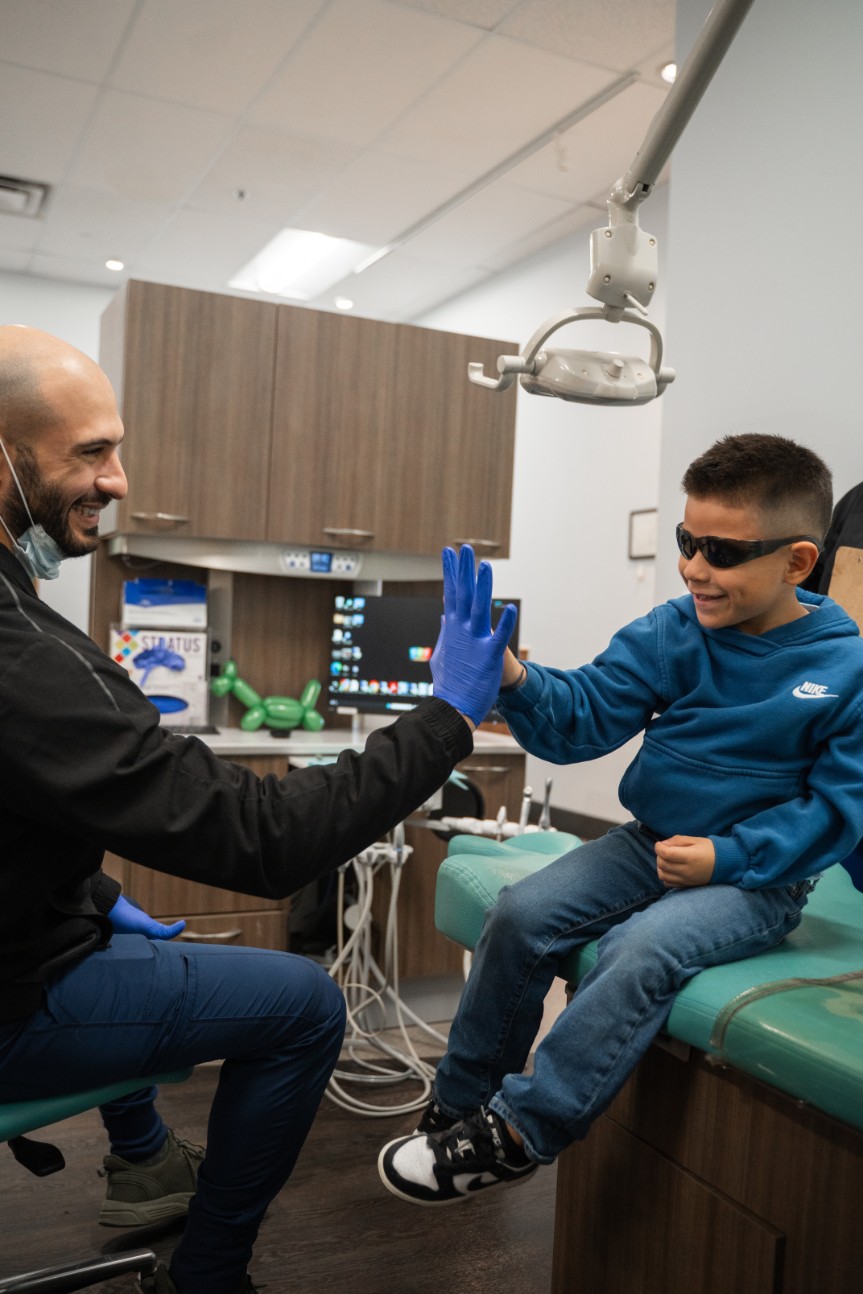
Visiting the dentist can be overwhelming for any child. For children with sensory sensitivities, anxiety, autism, ADHD, or other special needs, standard dental care can feel frightening or impossible. At Happy Kids Dentistry, we understand that every child's needs are different. Our team has extensive training and experience working with children with special needs, and we create individualized approaches that respect your child's sensory preferences, communication style, and anxiety level. We take time to build trust, go at your child's pace, and provide the accommodations that help your child succeed. You know your child best, and we partner with you to create a dental experience that works.

Why sensory-friendly, individualized care matters
Specialized dentistry for children with special needs does more than get teeth clean. It builds trust, reduces trauma, prevents future dental anxiety, and helps your child develop confidence in healthcare settings.
Reduces anxiety and builds confidence
Children with special needs often carry anxiety or fear about dental visits. By tailoring the experience to your child's specific needs and sensitivities, we reduce that anxiety significantly. Many children are surprised to discover that dentistry can feel manageable or even okay. This positive experience builds confidence not only about future dental visits but also about healthcare in general. Your child learns that adults listen to them and adapt to help them feel safe.
Ensures comprehensive oral health
When your child can tolerate dental visits, we can provide consistent preventive care and address problems early before they become severe. Regular cleanings, fluoride treatments, and early cavity detection keep your child's teeth healthy. When dental problems develop, we can catch and treat them quickly rather than waiting for an emergency. Comprehensive care throughout childhood protects your child's oral health into adulthood.
Prevents trauma and negative associations
Forcing a child with sensory sensitivities or anxiety through a standard dental experience can create lasting trauma and make future dental care even harder. By allowing your child time to acclimate, respecting their boundaries, and providing accommodations, we prevent that negative association. Your child's dental relationship starts with safety and trust, setting the foundation for lifelong oral health.

Our special needs and sensory-friendly accommodations

Sensory-optimized environment
Our treatment rooms include sensory-friendly options to help your child feel comfortable. We offer the choice of sunglasses or a cap to reduce bright overhead light. Noise-canceling headphones or calming music help manage the sound of dental instruments. We can dim lights, adjust room temperature, and minimize unexpected stimuli. Scents can be powerful triggers, so we maintain a clean, neutral environment. We explain what your child will see, hear, and feel before introducing new instruments or sounds. We allow time for your child to acclimate to the room and equipment before treatment begins. We work with you to understand your child's specific sensory needs and tailor the environment accordingly.
Extended and flexible appointments
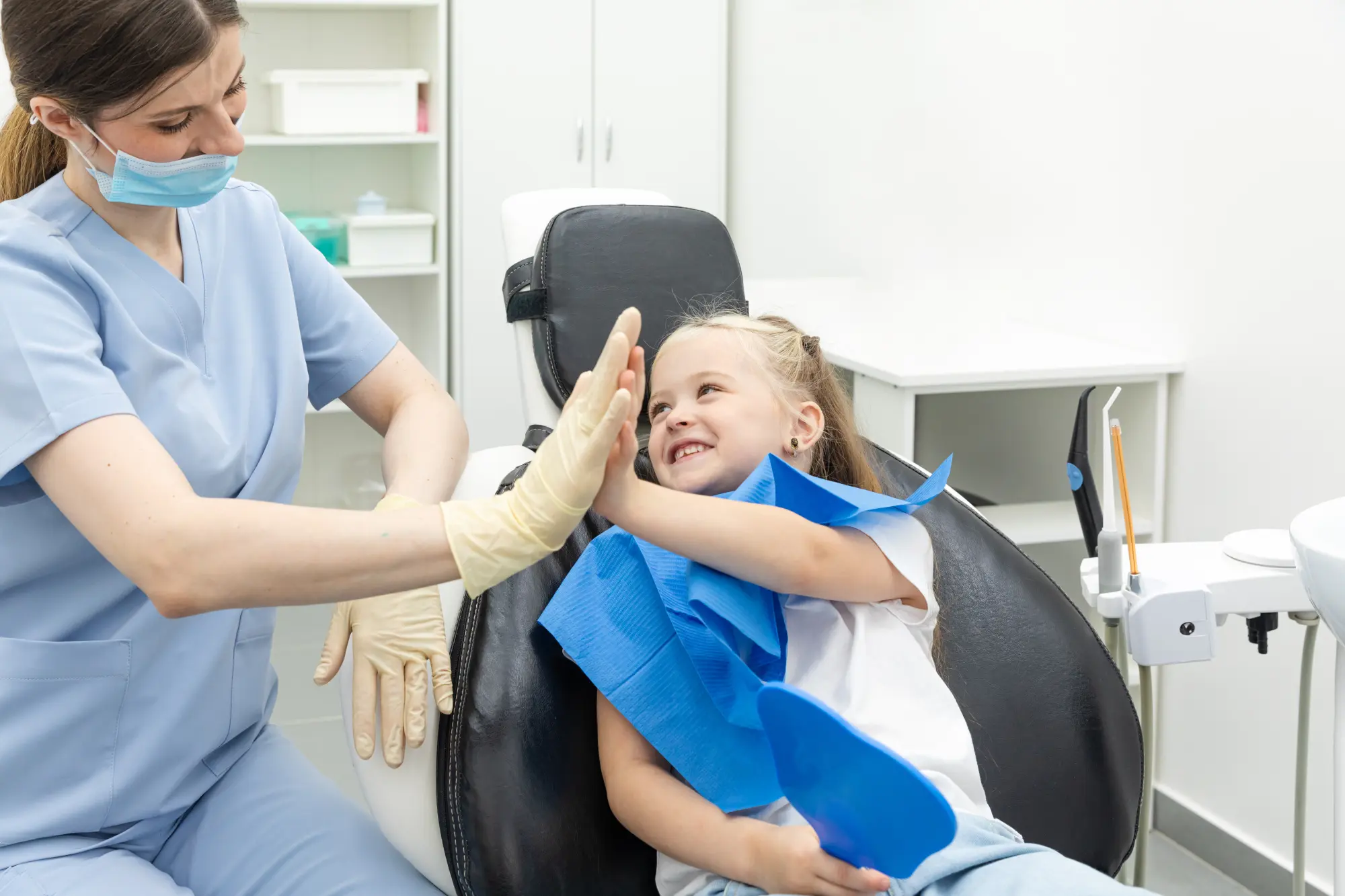
We schedule longer appointments to allow adequate time for your child to acclimate, process information, and complete treatment without rushing. There's no strict time limit. If your child needs a break during treatment, we pause and let them recover. We never force a child to proceed before they're ready. Some children benefit from multiple short visits to gradually become comfortable, while others do better with one longer, comprehensive appointment. We work with your family to find what works best. We offer flexible scheduling to accommodate your child's needs, including early morning, late afternoon, or quieter times when the office is calmer.
Visual supports and preparation
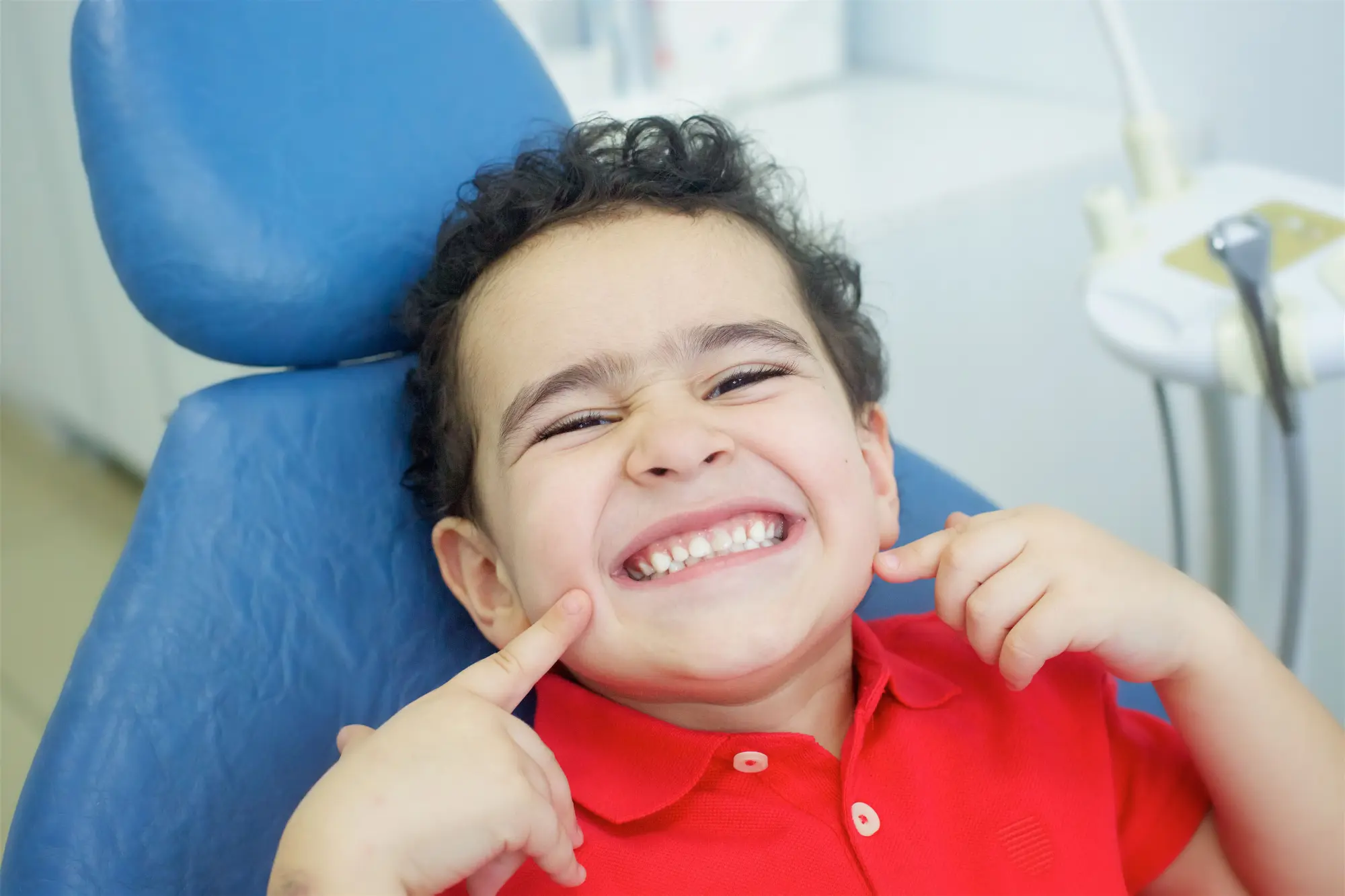
Many children with special needs benefit enormously from knowing what to expect. We provide a visual guide to a dental visit that you can review with your child before the appointment. We describe each step, show pictures of instruments, and explain what the dentist will do. On the day of the visit, we review the plan again. We use visual schedules during treatment so your child knows what's coming next. This predictability reduces anxiety and helps your child feel more in control. We can also create a personalized social story or video tour of our office before your first visit.
Communication adaptations
We adapt our communication style to match your child's needs. For children who are nonverbal or minimally verbal, we use yes/no questions, visual cards, or AAC devices. We teach a simple hand signal (like raising a hand) to pause treatment if your child feels overwhelmed. For children with ADHD, we keep instructions clear and concise. For children with autism, we avoid sudden changes and communicate expectations explicitly. We ask your family about your child's preferred communication methods and honor those preferences. We speak directly to your child when possible, even if they're nonverbal, and give them time to process and respond.
Individualized behavioral strategies
Every child responds to different approaches. Some children do well with positive reinforcement and rewards. Others respond better to calm, quiet redirection. Some need advance warning before transitions, while others handle spontaneity fine. We work with you to understand what strategies help your child succeed. We use motivators, deep breathing, grounding techniques, or other coping strategies that work for your child's brain. We never use shame, punishment, or force. Our goal is always to help your child feel safe enough to cooperate, not to coerce compliance. We celebrate your child's brave efforts, however small.
Sedation when needed
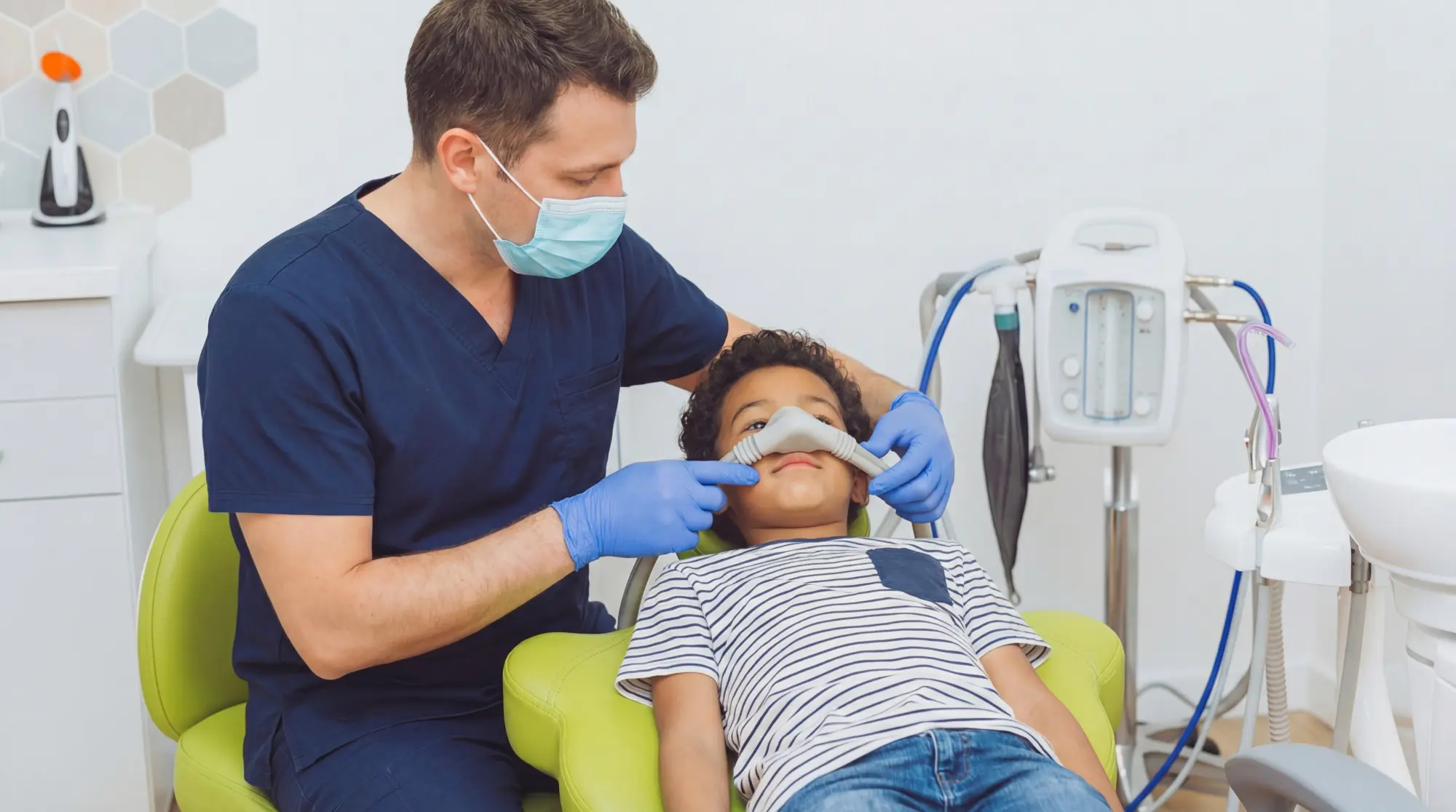
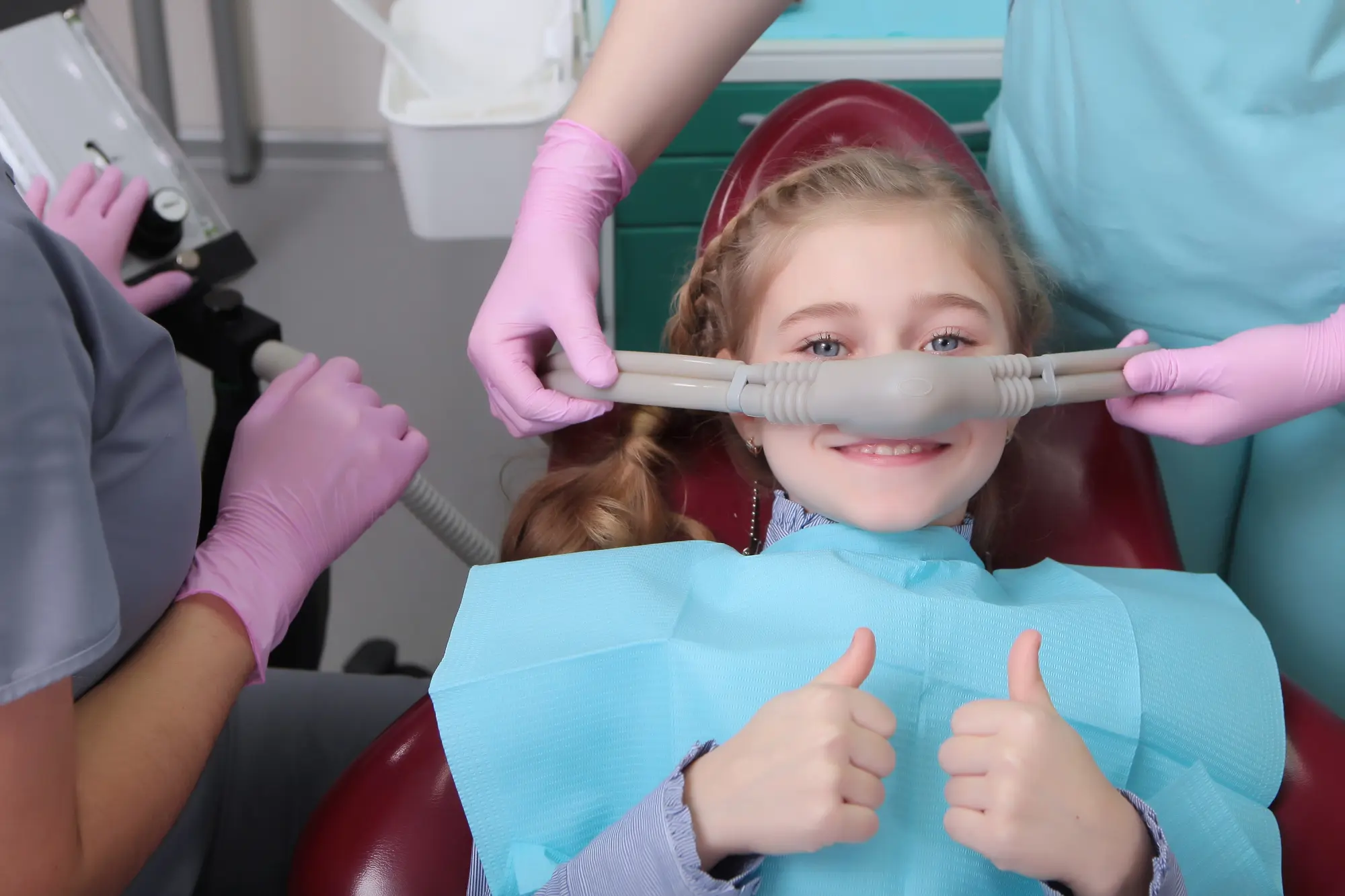
For some children with special needs, sedation or general anesthesia is the most compassionate approach. If your child's anxiety is severe, if they're unable to cooperate with even highly adapted care, or if their dental needs are complex, sedation allows treatment to happen safely without trauma. We discuss sedation options including nitrous oxide, IV sedation, and general anesthesia. Sedation is never used as a first resort, but when appropriate, it can prevent unnecessary suffering and allow comprehensive treatment. We work with trained anesthesiologists and follow strict safety protocols.

Collaboration with your family
You are the expert on your child. We ask detailed questions about your child's strengths, triggers, communication style, and what has worked or not worked in the past. We listen to your concerns and adjust our approach based on your input. We communicate openly about what went well during visits and what challenges we encountered. If something isn't working, we talk with you about changes to try. We provide detailed post-visit information about your child's behavior, cooperation, and dental findings so you stay informed. We treat you as a partner in your child's dental care.
How we prepare for and support your child's dental visit
Preparation and planning
Your child's dental journey begins before the first visit. We have an in-depth consultation by phone or in person where we learn about your child. We ask about sensory sensitivities, communication preferences, anxiety triggers, what motivates your child, and what has worked in healthcare settings before. We discuss your goals for the visit. We provide materials to help your child prepare, such as a visual guide to dental visits, photos of our office, or videos of what to expect. We explain our approach and answer your questions. By the time your child arrives, both you and we have a clear, individualized plan.
Transition to regular care and ongoing support
Once your child's immediate dental needs are addressed, we transition to a regular preventive care schedule. We continue with all the accommodations that helped your child succeed because consistency matters. We maintain the same team members whenever possible so your child benefits from familiarity and continuity. We provide clear communication about home care routines, diet, and oral hygiene. We remain available for questions and adjustments. Our goal is for your child to continue receiving excellent dental care throughout their childhood and into adulthood.
Treatment visits and building comfort
On the first visit, our main goal is for your child to feel safe and to become comfortable in our space. We may not even do dental work. We might just let your child explore the room, meet the team, see the instruments, and sit in the chair. We go at your child's pace entirely. We explain everything we do and why. We ask permission before touching your child. We praise brave behavior and never push beyond your child's comfort. Many children need several visits to acclimate before treatment begins, and that's perfectly fine. As treatment progresses, we maintain all the accommodations and strategies that help your child succeed. We continue using visual supports, communication adaptations, and behavioral strategies. We schedule appointments at times and lengths that work for your child. We break treatment into manageable pieces so your child isn't overwhelmed. We take breaks when needed. We celebrate progress and effort.

Questions about special needs and sensory-friendly dentistry
Families often have questions about how we accommodate special needs and whether dental care is possible for their child. Here are answers to what we hear most.


