
Guide Their Smile Into Place While They're Still Growing
Early interceptive treatment
Catching alignment issues early means we can guide your child's permanent teeth into better positions before all their adult teeth come in. Early interceptive treatment prevents bigger problems down the road and can make a real difference in your child's confidence and bite.
What is early interceptive treatment?
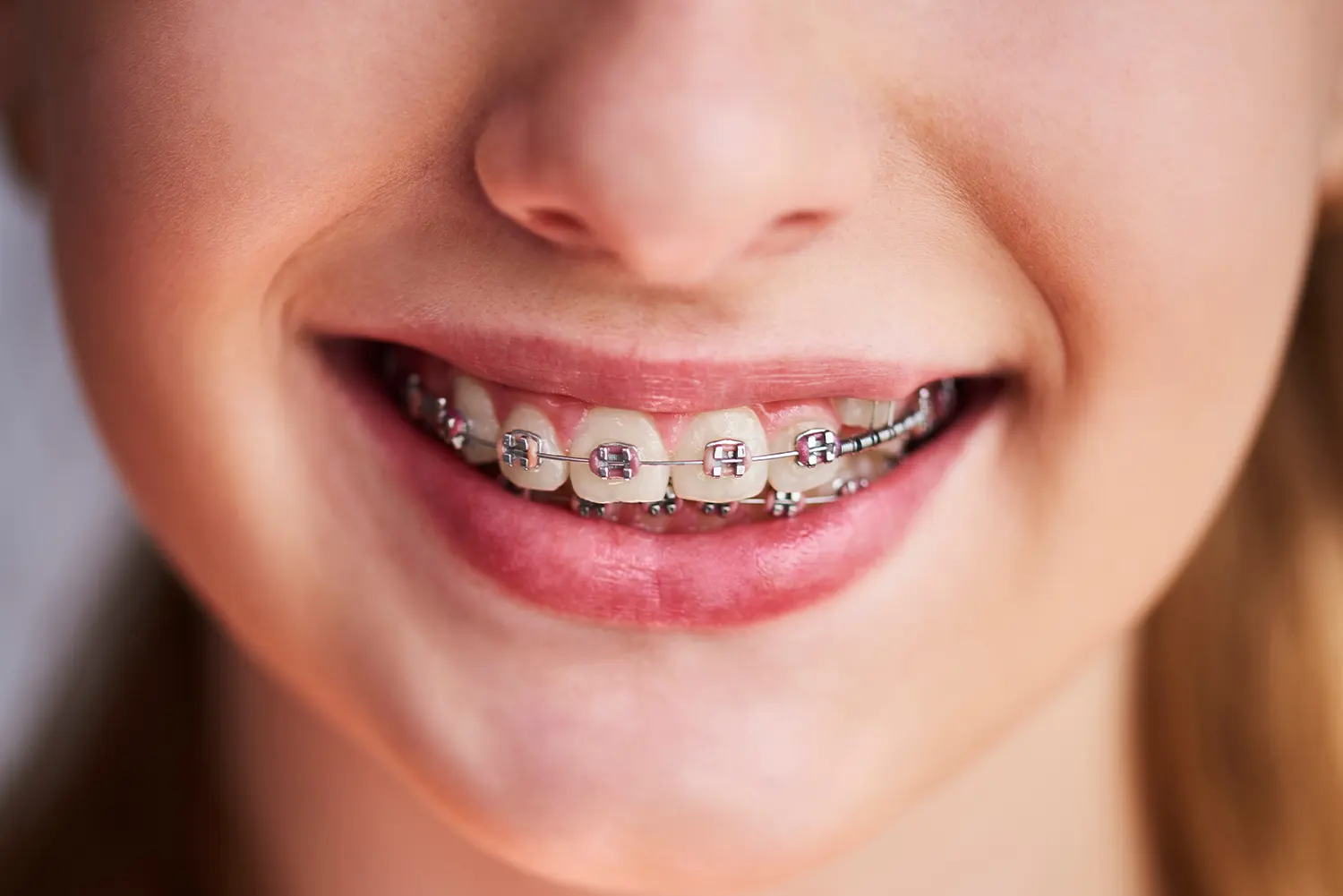
Early interceptive treatment, also called Phase 1 orthodontics, is orthodontic care provided while your child still has a mix of baby and permanent teeth. At Happy Kids Dentistry, we use early interceptive treatment to help children achieve healthy, aligned smiles that set them up for success. Our board-certified orthodontists monitor your child's bite and jaw development, and we intervene at exactly the right time to guide growth in a positive direction. Whether your child needs space maintenance, gentle guidance of permanent teeth, or correction of a developing bite problem, we create a personalized treatment plan that works with your child's natural growth.

The benefits of early interceptive treatment
When we guide your child's smile while they're still growing, we work with nature rather than against it. This often means shorter overall treatment time, fewer complications, and sometimes eliminating the need for more invasive procedures later. Plus, kids who get early treatment often feel more confident about their smile during their teen years.
Prevent crowding and the need for extractions
By monitoring jaw development and guiding permanent teeth as they come in, we can prevent severe crowding. In some cases, early intervention eliminates the need for tooth extractions later, preserving your child's natural teeth.
Build confidence during important years
A straighter smile during middle school and early teen years can make a real difference in how kids feel about themselves. When your child sees their smile improving, they're more engaged with treatment and more committed to good oral health habits.
Correct bite problems early
Issues like overbites, underbites, and crossbites are easier to correct when your child is still growing. Early treatment can guide jaw development so the bite develops properly, preventing long-term complications with chewing, speech, and comfort.

Our early interceptive treatment options
Issues like overbites, underbites, and crossbites are easier to correct when your child is still growing. Early treatment can guide jaw development so the bite develops properly, preventing long-term complications with chewing, speech, and comfort.
Space maintainers
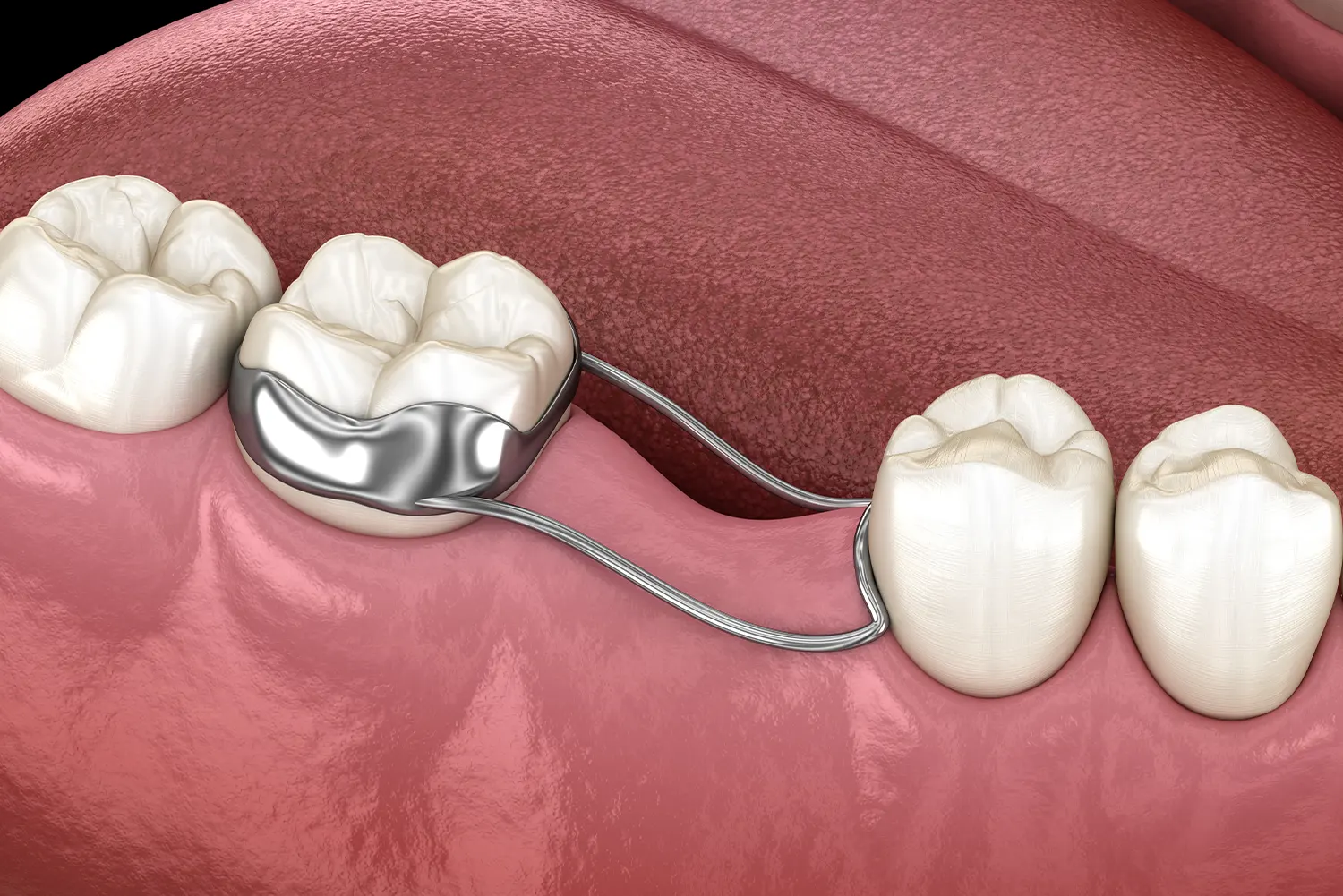
If your child has lost a baby tooth early or has limited space for permanent teeth, a space maintainer holds the gap so the permanent tooth has room to come in properly. Space maintainers are custom-fitted, non-invasive appliances that work quietly in the background while your child's permanent teeth erupt. We monitor the space and remove the maintainer once the permanent tooth is ready to come in.
Habit correction appliances
Some children develop habits like thumb sucking or tongue thrusting that can affect how their teeth and jaw develop. Habit correction appliances gently discourage these habits while permanent teeth are erupting, preventing the dental problems they can cause. Once the habit stops, the teeth often correct on their own as the child continues to grow.
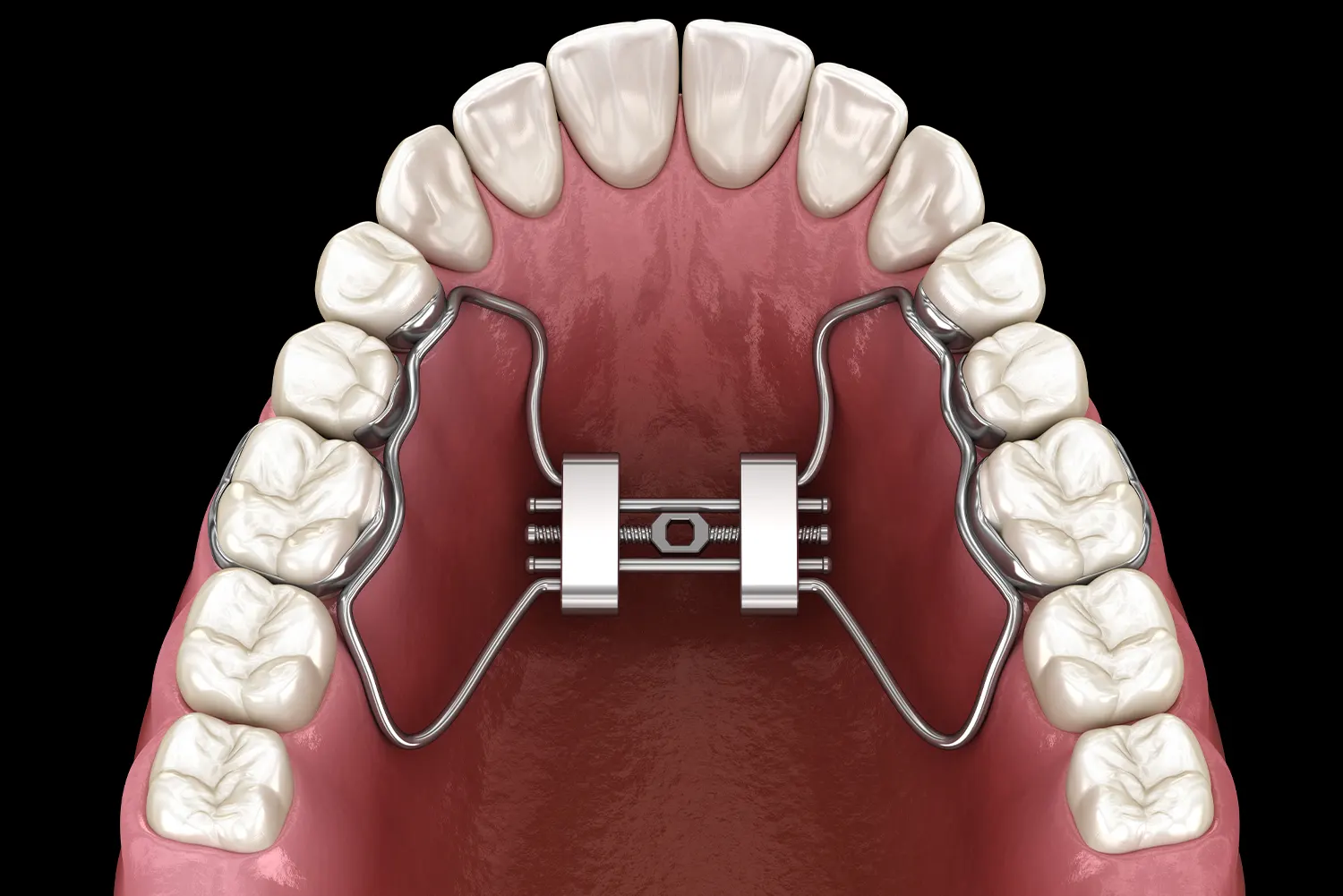
Palatal expanders
A palatal expander gently widens the upper jaw to create more room for permanent teeth and improve the bite. By expanding the palate during the growth phase, we can often prevent crowding and create a healthier foundation for all of the permanent teeth. Expanders are typically worn for several months to a year, and kids adjust to them very quickly.
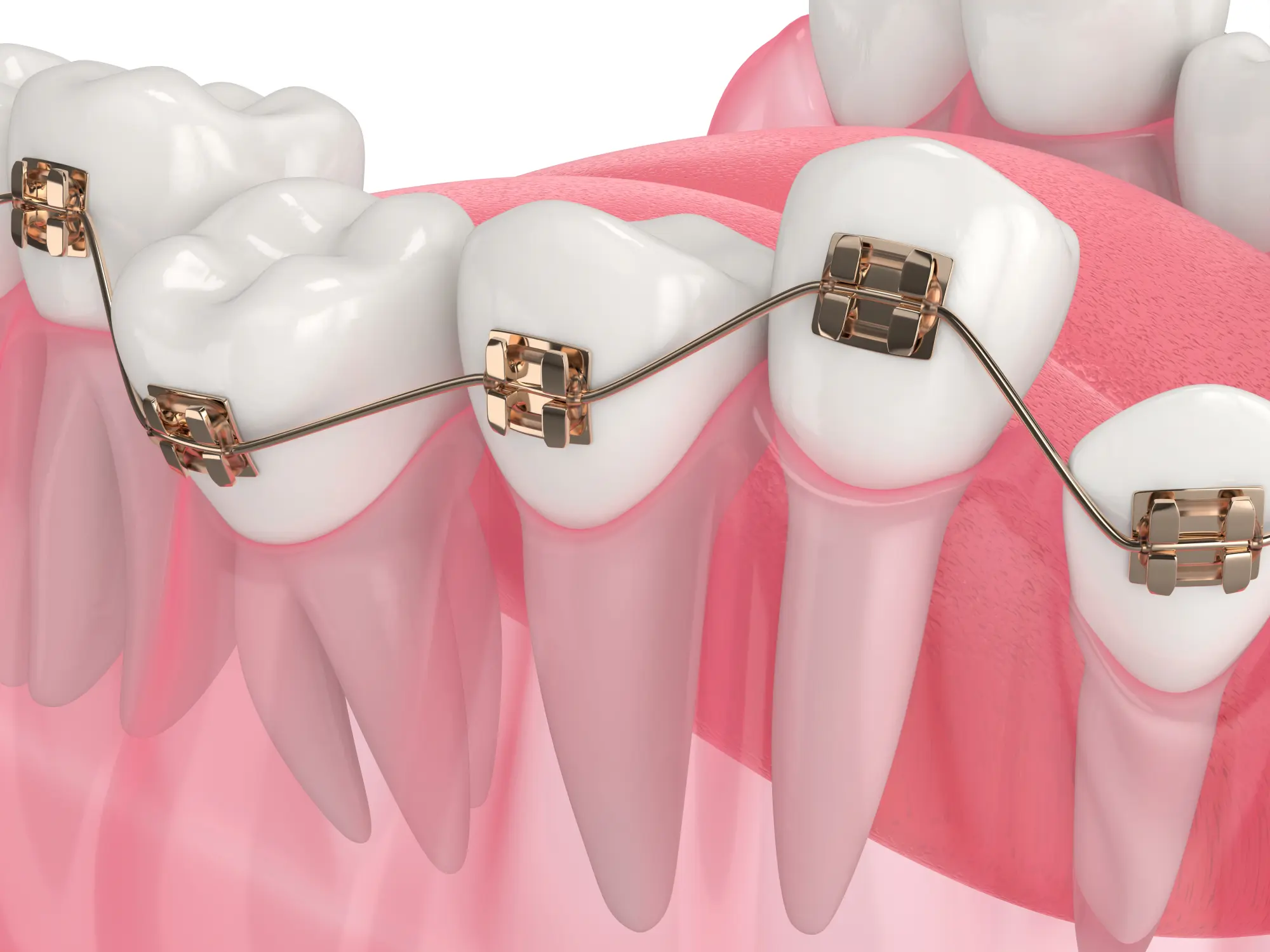
Partial braces or targeted brackets
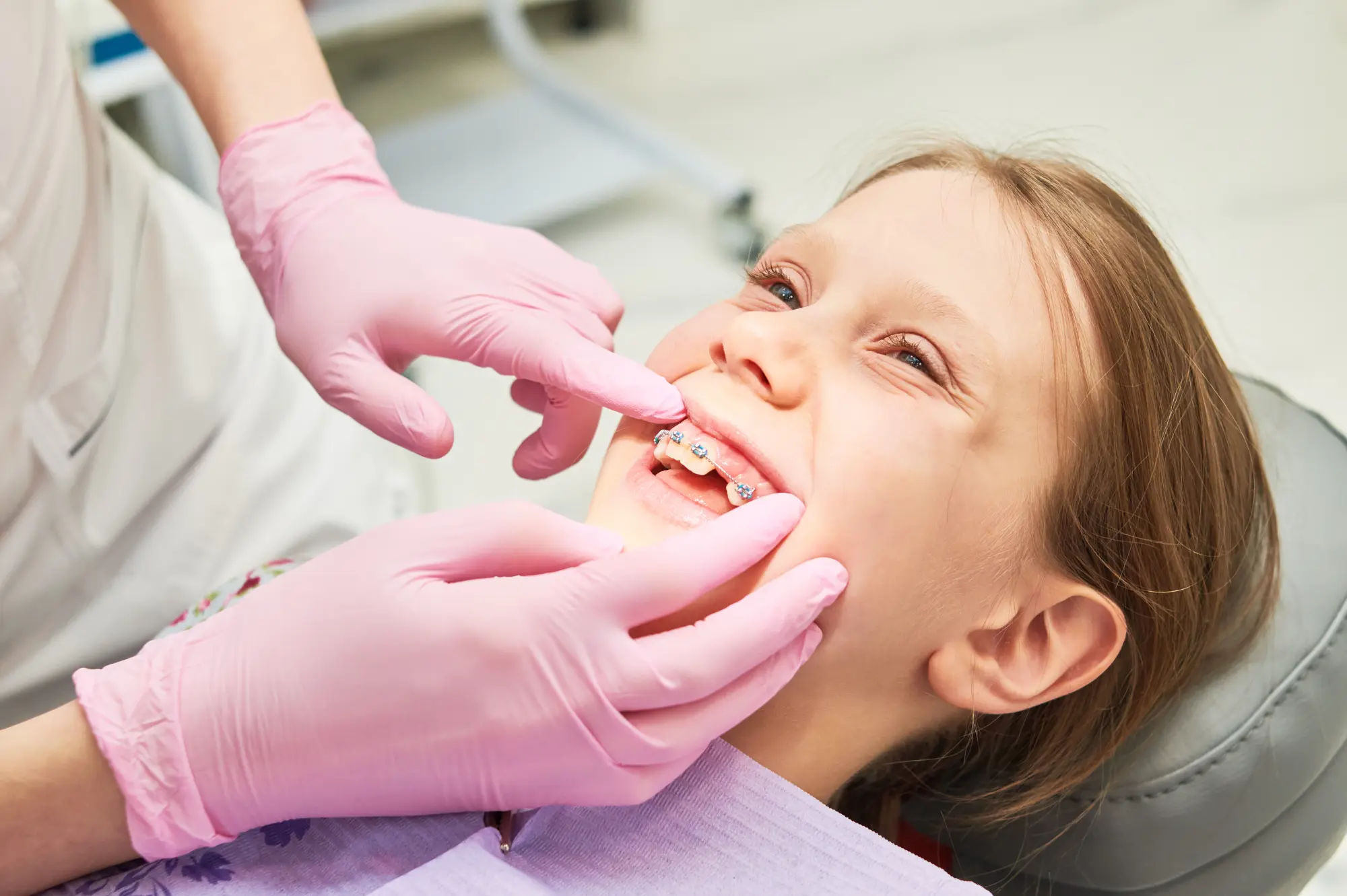
Sometimes we don't need full braces—just gentle guidance in specific areas where permanent teeth are coming in or bite correction is needed. We may place brackets on just a few teeth to guide eruption or correct a developing problem. As your child continues to grow and more permanent teeth come in, we adjust the treatment plan.
.jpg)
Clear aligner therapy (for Phase 1)
For some children, clear aligners are an excellent option to gently guide early tooth movement and correct developing bite problems. Our board-certified orthodontists use Invisalign to provide discreet, gentle correction during the Phase 1 stage. If full comprehensive treatment is needed later, aligners can be a great starting point.
The early interceptive treatment process
Evaluate and consult
Starting around age six or seven, our dentists watch for signs that early intervention might help—crowding, bite problems, jaw development issues, or space concerns. If we notice something during your child's regular dental visits, we'll discuss it with you. If you're concerned about your child's bite or alignment, you can ask for an orthodontic evaluation at any time. Our board-certified orthodontists will perform a thorough exam, take X-rays and photos, and explain exactly what they're seeing. We'll talk about whether early treatment is recommended, what options are available, and what the timeline looks like. We always involve your child in this conversation so they understand what's happening and feel comfortable with the plan.
Monitor progress and transition
Throughout Phase 1 treatment, your child will come in for regular appointments so we can check progress and make adjustments. We watch how permanent teeth are erupting, how the bite is developing, and how the jaw is growing. If we need to modify the appliance or adjust the approach, we will. Once Phase 1 treatment is complete and all the permanent teeth have erupted, we assess whether additional treatment (Phase 2) is needed. Some children are done and go straight to maintenance. Others benefit from braces or aligners to fine-tune their bite and alignment. We'll discuss the best path forward for your child.
Create a plan and begin treatment
Based on your child's individual needs, we'll design a personalized treatment plan that works with their growth. This might be space maintenance, expansion, targeted brackets, clear aligners, or a combination of approaches. We'll explain the plan in detail, discuss timing and expected duration, and answer all your questions. Then we'll get started and monitor your child's progress closely throughout the treatment process.
Frequently asked questions
We know early orthodontics can feel like a big decision. Here are answers to the questions parents ask us most.


